
A social experiment involving eight women turned into a surprisingly emotional discussion about body image and self-perception. The challenge seemed simple: each participant had to guess which woman weighed the same as she did without discussing actual numbers. What followed revealed how strongly appearance, body stereotypes, fitness assumptions, and self-image influence the way people judge weight. By the end, many participants had developed a completely different perspective on health, confidence, and the numbers society often obsesses over.
Made Everyone Uncomfortable
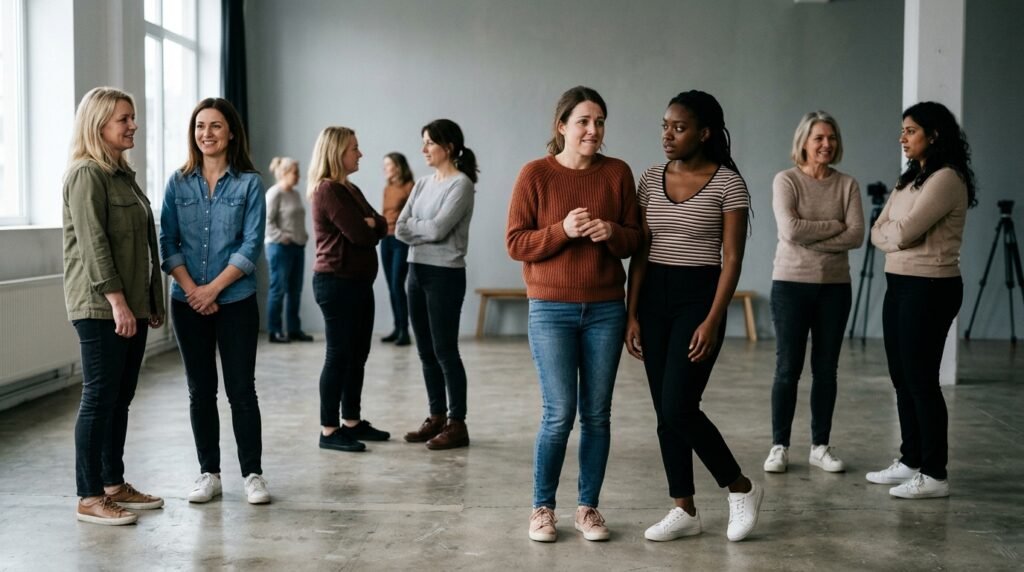
Participants were instructed to form groups of two with someone who they thought was the same weight as they were, but didn’t discuss the actual weight. Most said that the assignment was awkward and emotionally challenging, right off the bat.
Most People Judged Based on Appearance

The guesses were affected by height, muscle tone, body shape, and clothing. Participants were aware that they were unconsciously making visual assumptions about “sizing people up”.
Nearly Everyone Guessed Wrong

At the end of the real weight match-up, no woman was able to match her partner. The surprising results were a reminder of the unreliability of physical appearance as a gauge of weight.
Women With the Same Weight
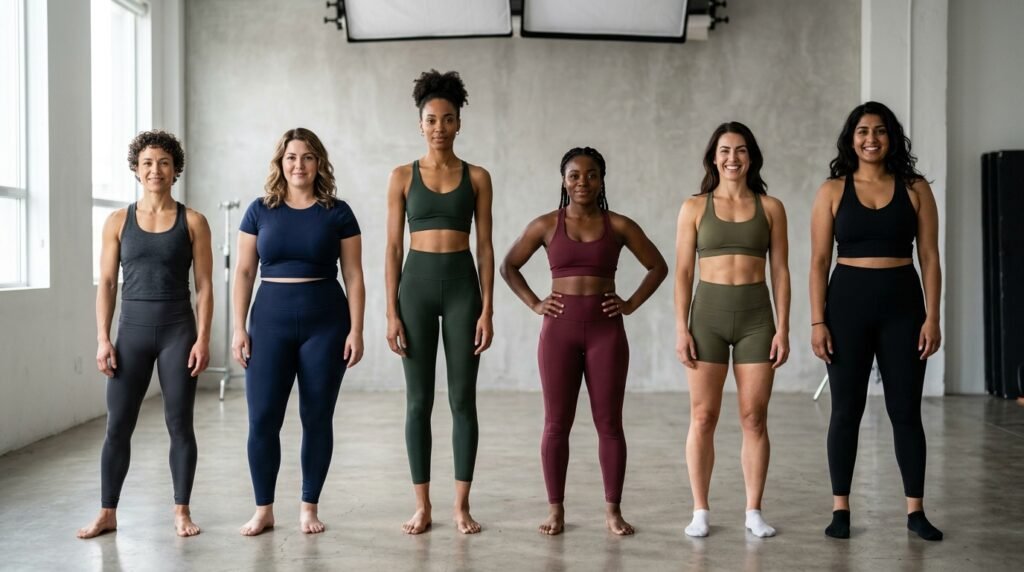
Not all women who weighed the same had the same build, height, and muscle tonus, and thus, it was not possible to follow any stereotypes as to what size “should” look like.
BMI Results Triggered Strong Reactions

Later, participants were told their BMI ranges, and some of them had been classified as being ‘overweight’ or ‘obese’, despite being physically healthy and active-looking. There were several who openly criticized the system as outdated and misleading.
Body Fat Percentages Told a Different Story
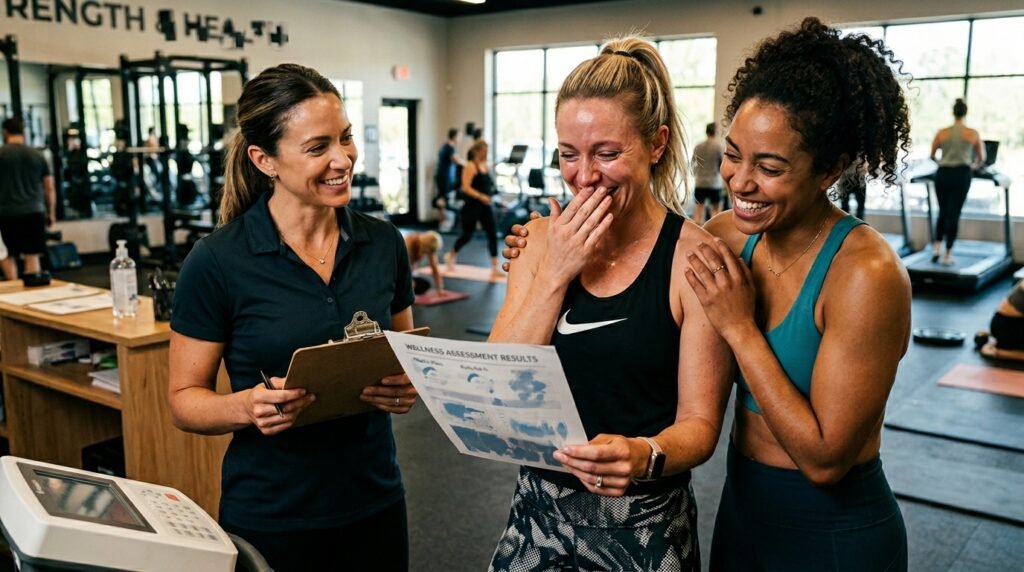
Some women who were classified as overweight according to BMI actually were in the range of athletic or fitness. When body fat percentages were revealed, some women who were classified as overweight based on BMI were actually in athletic or fitness ranges, showing how flawed the simple weight-based classification is.
Many Shared Painful Personal Experiences

The discussion was very emotional as people talked about insecure body talk, comparing and contrasting themselves, eating behaviors, and the pressure that women face from social media and public opinion.
Looking Beyond Numbers

By the end of the experiment, many participants realized that health, confidence, and self-worth cannot be defined by numbers alone. The experience highlighted how everybody tells a unique story beyond physical appearance.
