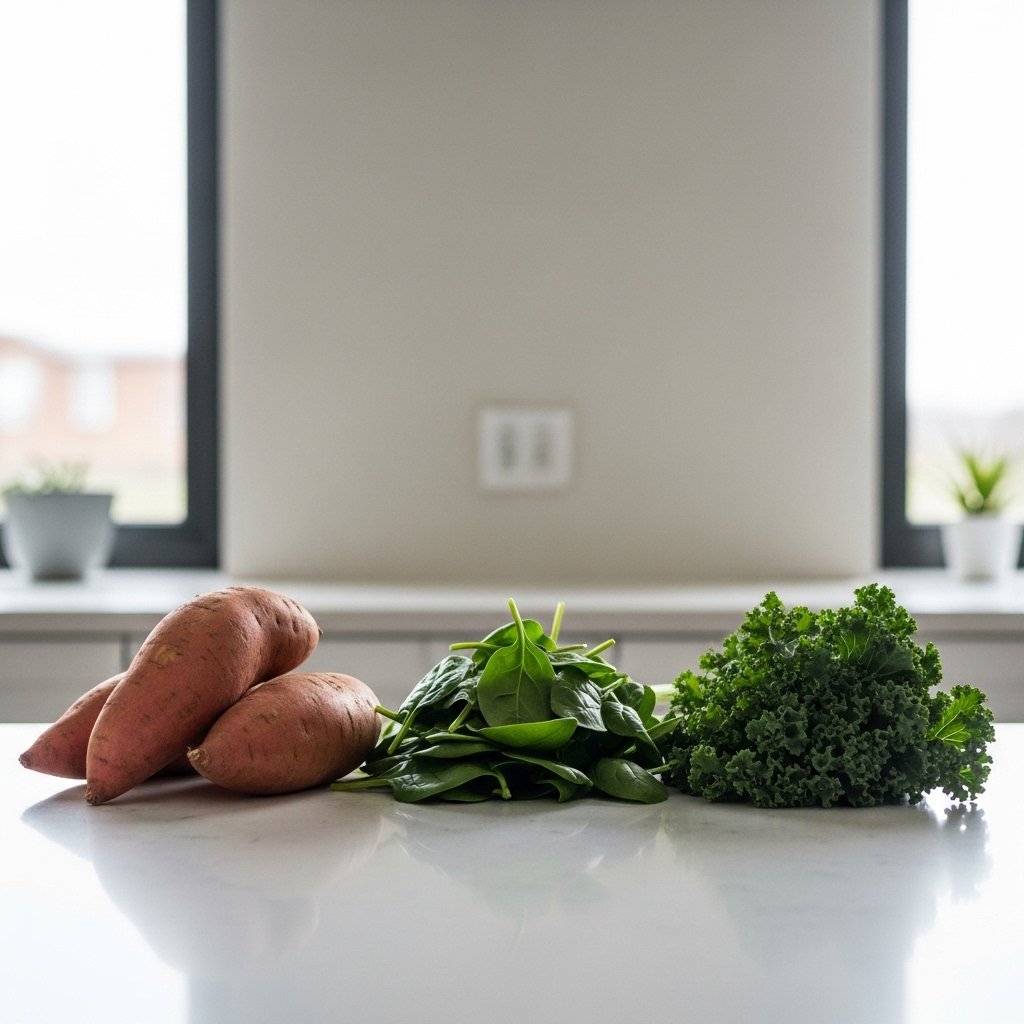
Carrots tend to be associated with eyeweariness because of beta carotene. The beta carotene is turned into vitamin A in the body which influences the vision and immune response. A medium size of carrot has approximately 5,000 micro grammes of beta carotene. Certain foods containing more amounts per serving are common. Adding such options to the daily meals will make nutrient consumption easier and without the need to change diets.
Sweet Potatoes
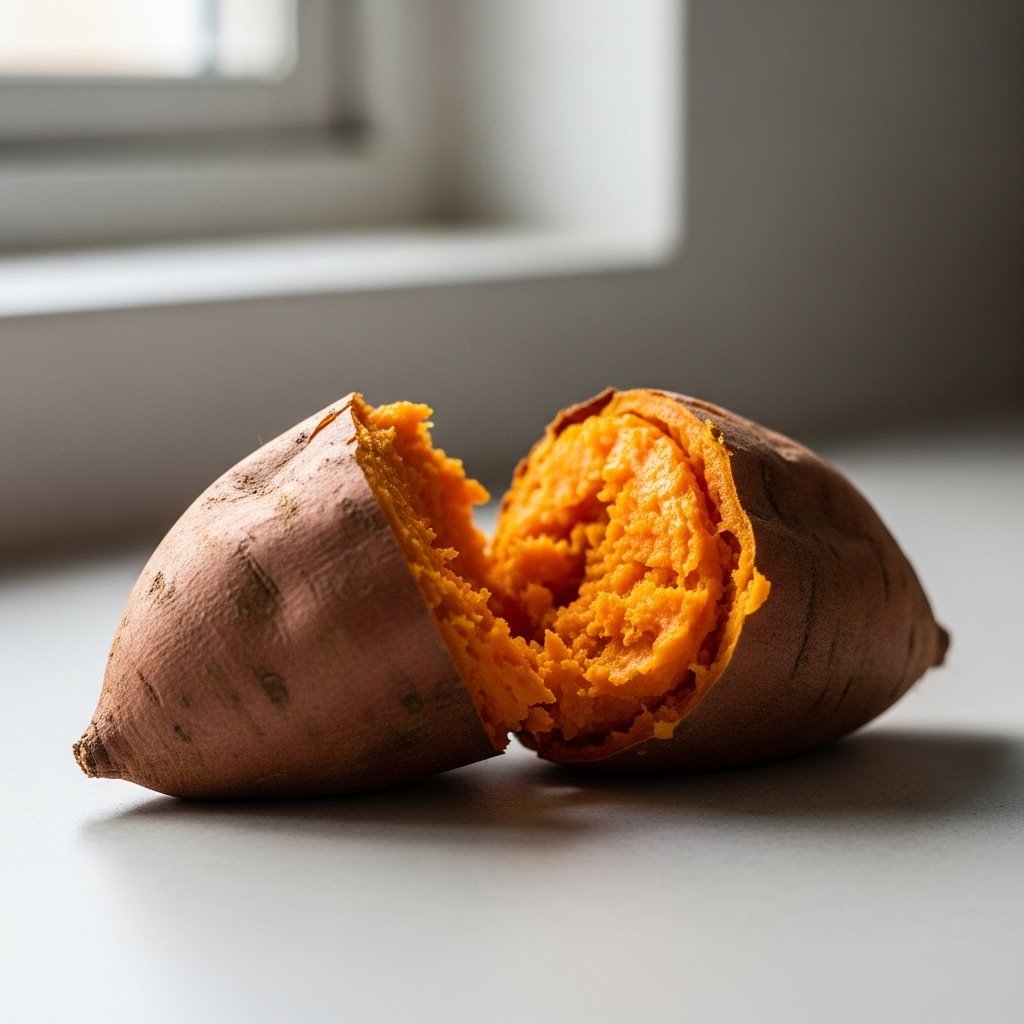
A single baked sweet potato has more than 11,000 micrograms of beta carotene. It is over two times the amount in a carrot. High concentration of carotenoids is indicated by the orange colour of the flesh. Most of the nutrient value is retained by roasting or steaming and helps in maintaining a constant supply of vitamin A to the body.
Spinach

A cup of cooked spinach gives approximately 9,400 micrograms of beta carotene. Cooking causes a decrease in volume, making the nutrient density in a cup higher. Spinach also provides vitamin C and iron which helps to maintain the immune system. The absorption of carotenoids is better in light steaming than in raw leaves.
Kale

Beta carotene is approximately 8,800 micrograms, which is contained in one cup of cooked kale. The dark green color denotes a high amount of carotenoids. Kale is also a source of vitamin K and fiber. The use of very little oil in sautéing enhances absorption because beta carotene is soluble in fat.
Why Beta Carotene Matters
Beta carotene is converted to vitamin A, which is used to keep the retinal function and low light vision. Vitamin A helps the immune system to have protective barriers in the respiratory and digestive tracts. The daily-intake of vitamin A required by adults is approximately 700 and 900 micrograms. These foods are able to satisfy those needs effectively.
The Conversion of Beta carotene to the Body

Beta carotene is converted to vitamin A according to the need by the body. The rates of conversion are determined by general diet and fat consumption. Beta carotene of about 12mcg of vitamin A can be obtained by consuming healthy fats like nuts or seeds to aid the absorption.
Preservation of Nutrients in Cooking

Long cooking decreases the levels of carotenoids. Higher nutrient retention is preserved by steaming or roasting. Research indicates that spinach cooked by steaming method maintains more antioxidants than boiling. When cooking a little oil is added, the absorption in the digestive system is enhanced.
Foods to Combine with to Enhance Absorption

Co-existence of beta carotene rich vegetable and the source of fats enhances bioavailability. As an illustration, sauted kales using olive oil enhances better absorption of nutrients. The absorption is promoted by eating sweet potatoes with yogurt or seeds. The balanced meals enhance consistency in the vitamin A intake.
Daily portions Advice on daily consumption

A single portion of sweet potato or one-hundred grams cooked leafy vegetables satisfies the daily vitamin A requirement of most adults. Three to four times a week is sufficient to keep the levels up. Diversity minimizes the monotony of the diet and promotes the expanded uptake of micronutrients.
Signs of Low Vitamin A Intake

Low consumption could result in the loss of night sight and immunity. In the long run, dry skin and frequent infections are likely to be observed. Increased intake of vegetables will help to avoid deficiency. The use of beta carotene rich foods in the planning of meals once a week aids in maintaining an adequate intake.
Practical Meal Ideas
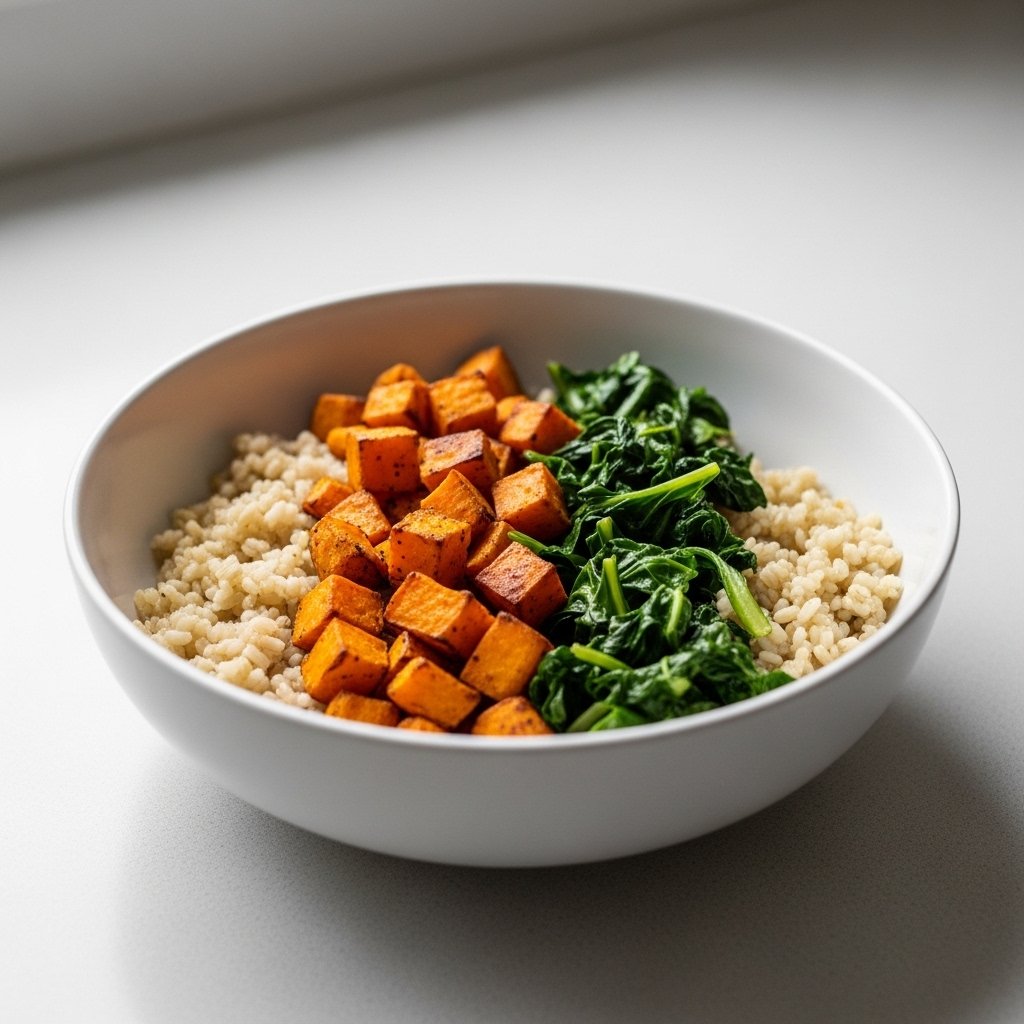
Grain bowls are made with roasted sweet potato cubes. Spinach is cooked and it is added to lentil soups or omelets. Kale prepares stir fries using beans or tofu. Easy cooking techniques enhance the compliance and retention of nutrients during meals.
